Cookies

This website uses cookies that require your consent.

Skip to content

Your process data reveals more than your models can explain

We identify additional opportunities for optimization based on real-time operational data—and validate them directly during ongoing operations.

Untapped potential often remains hidden—because it isn't visible in existing models.

In many plants, the relevant factors are known—but their actual interactions are not. This is precisely where uncertainties arise during operation:

  • Which factors actually influence energy consumption—and how do they interact?

  • Where are the untapped opportunities for optimization in the process?

  • What is possible without compromising quality or operations?

Models and empirical data provide guidance—but they are not sufficient to reliably predict the actual behavior of the system. Especially in complex process environments, critical interactions remain hidden.

There is untapped potential between the model and reality

Simulation models and traditional calculations show ideal conditions. However, actual operating conditions differ from these. It is precisely this discrepancy that reveals measurable opportunities for optimization:

  • real-world interactions between parameters

  • previously unrecognized connections within the process

  • Deviations from the "optimal" model state

Without access to actual system performance, these opportunities remain untapped—or are not implemented due to risk considerations.

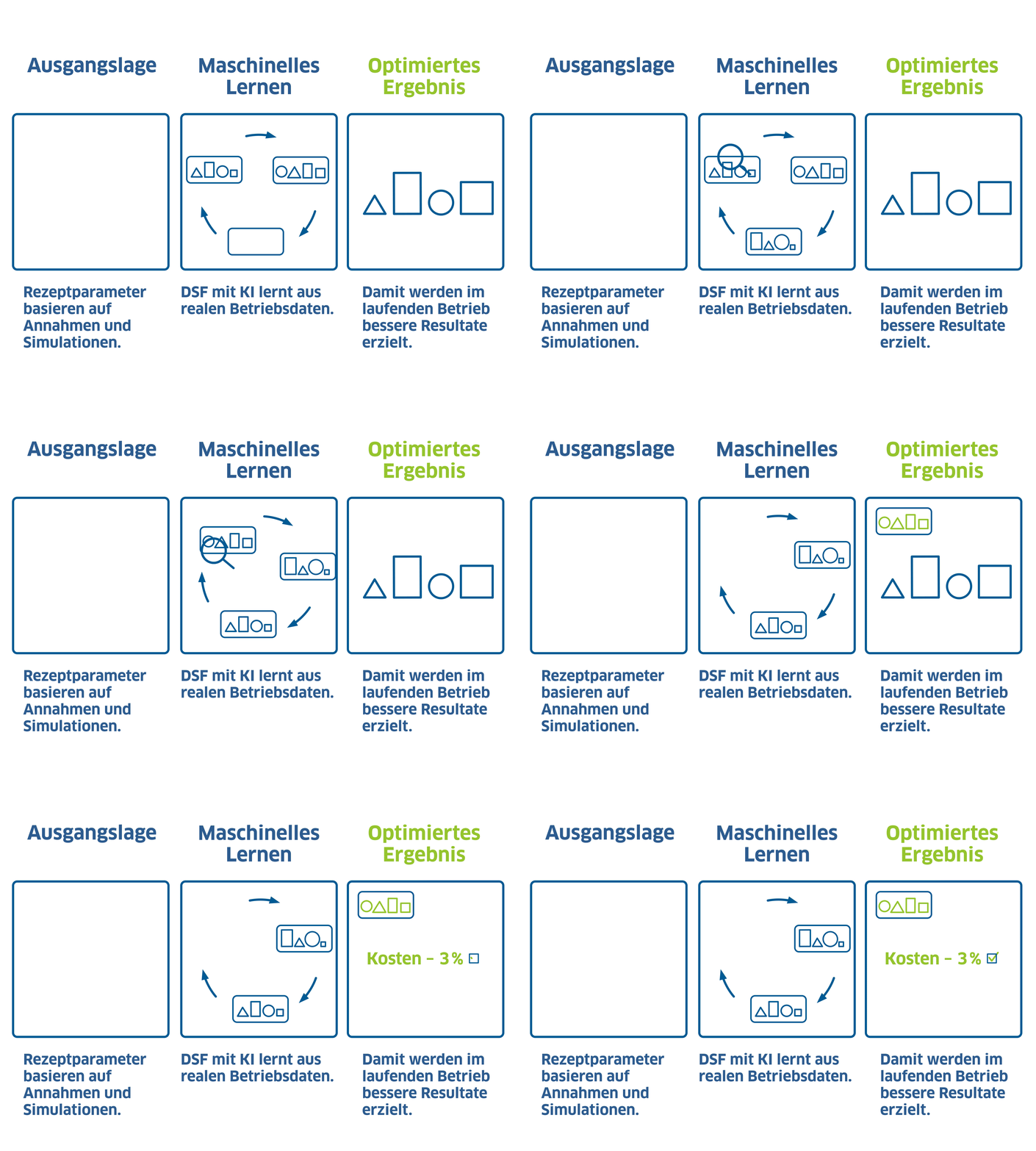
3 components of the DSF process (target definition, data screening, assessment) presented in a cycle.
The Data Science Framework is a standardized process for data science projects with three steps, which are repeated iteratively (round after round).

Step 1: Identify relevant data and make it usable

Not all available data is relevant to optimization. We identify which process data actually influences your specific issue, assess its quality, and prepare it so that it can be used directly for analysis.

Result: A robust database instead of an unstructured collection of data

Step 2: Identify connections and identify opportunities

Based on real-world operational data, models are developed that replicate the actual behavior of the system. This process also reveals interactions between parameters that often remain hidden in traditional approaches. This leads to specific recommendations for optimized parameter sets.

Result: Clear correlations and concrete optimization strategies

Step 3: Test in operation and refine as needed

The derived parameter sets are not evaluated theoretically, but are tested during actual operation. New insights are directly incorporated into the models, iteratively improving the recommendations—in alignment with your process knowledge and operational requirements.

Result: Validated optimizations that work in real-world operations

The Data Science Framework does not follow a rigid analytical process; instead, it is consistently geared toward operational implementation. The goal is to derive concrete, verifiable optimizations from existing data—and to validate them under real-world conditions.
Sascha Zeller

What exactly is changing in the workplace

Transparency Instead of Model Assumptions
You see how your investment actually performs—not how it should perform according to the model.
Practical parameters instead of theoretical optimization
You’ll receive concrete, tested sets of parameters that work in real-world applications.
Validation during operation
Optimizations are not simulated but tested under real-world conditions.
Reduced risk during adjustments
Decisions are based on real data—not on assumptions.

Our system expertise

We are system-neutral and implement your requirements
regardless of the technology used.

With Seeq know-how, CTE has made a decisive contribution to the new, efficient visualization of laboratory values.
René Jegge, Site Project Leader M&T - dsm-firmenich

When is the Data Science Framework relevant to you?

The Data Science Framework is particularly useful when large amounts of process data are available but their value remains unclear. If you need to consolidate and evaluate data from various systems, or if the data quality is insufficient for reliable analyses, our structured approach makes sense. Even if you suspect there is potential for optimization that has not yet been clearly demonstrated, our Data Science Framework helps facilitate a structured entry into data-driven process improvement.

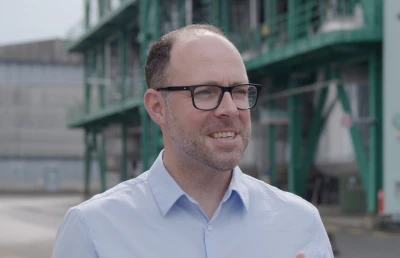
Picture of Sascha Zeller, Team Leader OT Solutions at ControlTech Engineering AG.

Let us analyze your initial situation together.

Book a non-binding meeting with Sascha Zeller, Head of Data Management.

Contact us